
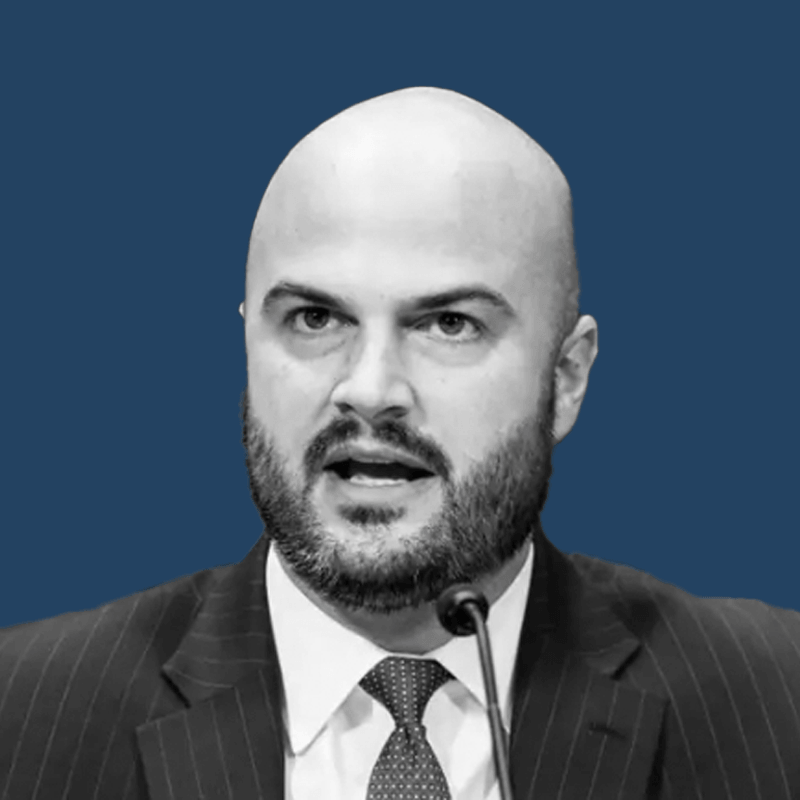
Aaron Reitz is not lacking in ambition.
When the President needed help reining in Democrats on Capitol Hill, the Houston-based U.S. attorney Reitz raised his hand first.
With the wipeout November 2026 midterms, Democrats won the power to investigate, with subpoenas to back it up. Congressional oversight leaders got a head start, asking Trump's donors and allies in writing whether their millions had bought political favors.
Trump ordered his Justice Department to look into these "threatening letters."
So Reitz started warning Dems that he was looking into them. Their crime? Promising scrutiny of Trump's cronies. Never mind that it's in their job description.
Among the accused: Sen. Richard Blumenthal, who had the gall to want names, since $77 million for Trump's White House ballroom came from anonymous donors. And Sen. Elizabeth Warren, who threatened Wall Street and Big Tech CEOs with the cruelest weapon of all: "tough questions."
In a letter to Warren, Reitz cast her as "hunting for the scalps of President Trump's private associates." He called it his "first arrow shot.”
Trump reposted Reitz’s letter on Truth Social.
The House's former top lawyer, Stan Brand, dismissed the Reitz letters as "crackpot legal practice."
But Reitz has always looked out for Trump's friends.
Take Dr. Anosh Ahmed. Federal prosecutors say he looted a struggling Chicago hospital in one of the city's poorest neighborhoods and bilked taxpayers out of $293 million in COVID-testing money. Then he fled the country.
In June 2025, Reitz emailed two senior officials urging a second look at Ahmed's case. After all, he wrote, Ahmed was an “ally” of the administration. Eric Trump had even attended one of his events.
Nineteen days later, Ahmed sent Reitz's campaign to succeed Kan Paxton at Texas attorney general nearly $100k from Dubai. But it didn’t buy. Reitz finished fourth in the GOP primary.
